Blockchain is one of the most talked-about technologies of the past decade, yet many explanations drown in jargon. At its core, the idea is surprisingly simple. Think of it as a shared notebook that thousands of people hold copies of, and nobody can secretly erase a page.
How a Blockchain Works
A blockchain is a digital ledger made of blocks. Each block contains a batch of transactions, a timestamp and a unique fingerprint called a hash. Every new block also stores the hash of the block before it, linking them into a chain.
If someone tries to alter an old record, its hash changes and breaks every link that follows. Because copies of the ledger are spread across many computers, called nodes, the tampering is quickly rejected.
Key Ideas to Know
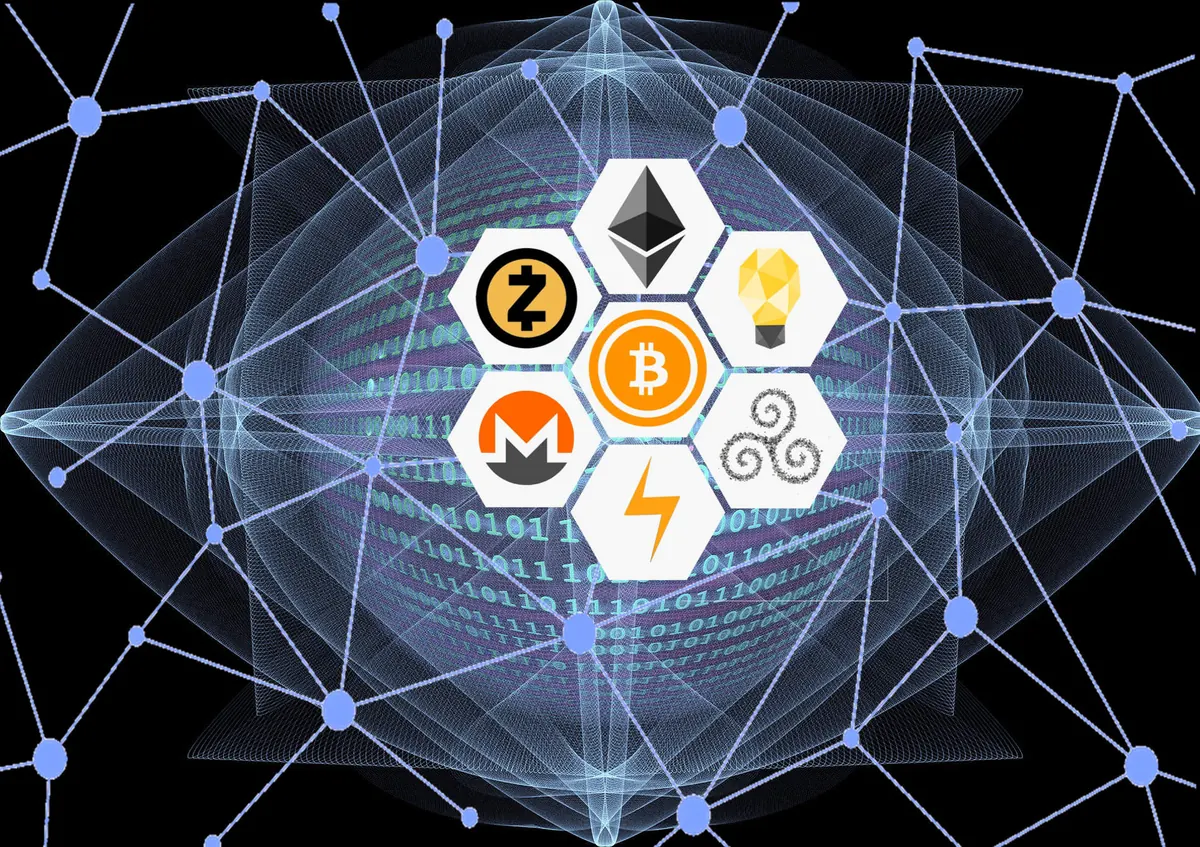
- Decentralization: no single company or government controls the network.
- Consensus: nodes follow agreed rules, such as proof of work or proof of stake, to approve new blocks.
- Transparency: on public blockchains, anyone can view the transaction history.
- Immutability: confirmed records are extremely difficult to change.
Uses Beyond Cryptocurrency
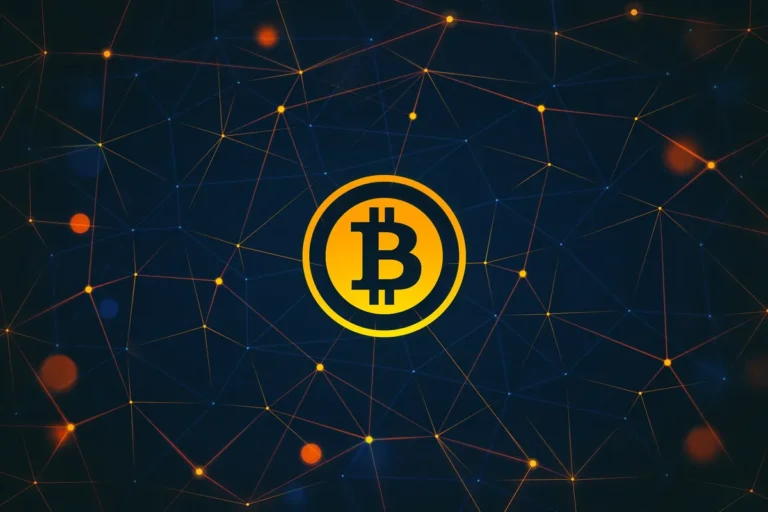
Bitcoin made blockchain famous, but the technology has wider applications. Supply chains use it to track goods from factory to shelf. Some platforms use smart contracts, which are programs that execute automatically when conditions are met, to handle agreements without a middleman.
Other experiments include digital identity, ticketing and record keeping. Not every project succeeds, and that is normal for a young technology still finding its strongest use cases.
Limitations Worth Understanding
Blockchains can be slower and more expensive than traditional databases, and some consensus methods consume significant energy. A blockchain also cannot verify whether real-world information entered into it is accurate. Knowing these trade-offs helps you judge new projects with a clear head.
Want to keep learning? Our crypto guides cover wallets, tokens and more, and Ztoog.com publishes fresh explainers across many subjects.
The Bottom Line
Blockchain is a tamper-resistant, shared record kept in sync by many participants. Understanding blocks, hashes and consensus gives you a solid foundation for exploring the wider world of digital assets.
This article is for educational purposes only and is not financial advice.